The obvious question
Every shop includes design. Why pay for it separately?
They do include it, and their designers are real. That part is not a trick. Two things are different here.
The first is what the design starts from. A shop starts from whatever logo file you email over and fits it to a purchased template. If your brand has never had artwork that survives being blown up to eight feet, nobody finds that out until the proof comes back — and by then the choice is between a delay and “close enough.” I start from the vector, because usually I drew it.
The second is who the answer pays. A wrap shop earns its margin on coverage — more vinyl, bigger invoice. I get paid the same whether you buy a full wrap or a few hundred dollars of door lettering. That makes me the one person in the conversation who can tell you to spend less, and often enough that is the right answer.
Why it isn’t a poster
What the flat file has to survive.
- 01
Seams, handles, mirrors
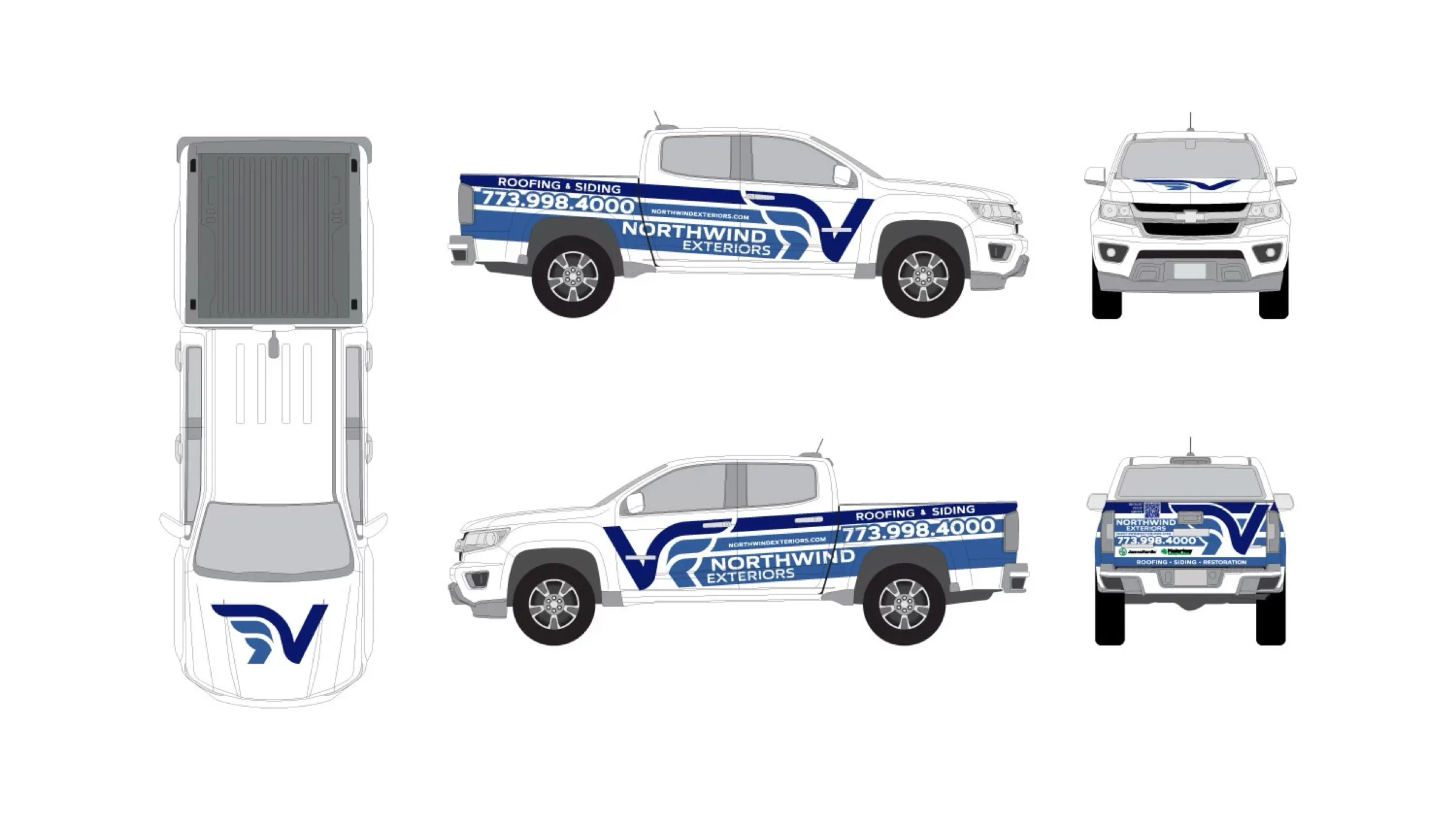
Artwork gets drawn on a flat template. The vehicle is not flat. Anything that matters — a logo, a phone number, a face — has to land where there is no door gap, no handle and no fuel door to cut it in half.
- 02
The bottom four inches
Wheel arches and rocker panels curve away from whoever is looking. Copy placed down there reads at an angle, or from behind a wheel, or not at all. It is the easiest place for a phone number to go unread.
- 03
Ribs and rivets
Box trucks and some cargo vans have corrugated panels. Fine detail and small type break up across the ribs. The design has to be drawn knowing where they fall.
- 04
One second, forty feet
Most people see the vehicle once, moving, from across a road. That buys you a name, a trade and a way to make contact. Everything past that is for the person standing next to it in a parking lot — and that is a different layout.
- 05
Six years of weather
Laminate handles the sun. The rest is a design decision: cast film conforms to compound curves where lower-grade calendered film lifts and shrinks back, and some saturated colors drift long before the vinyl fails.
The drawings
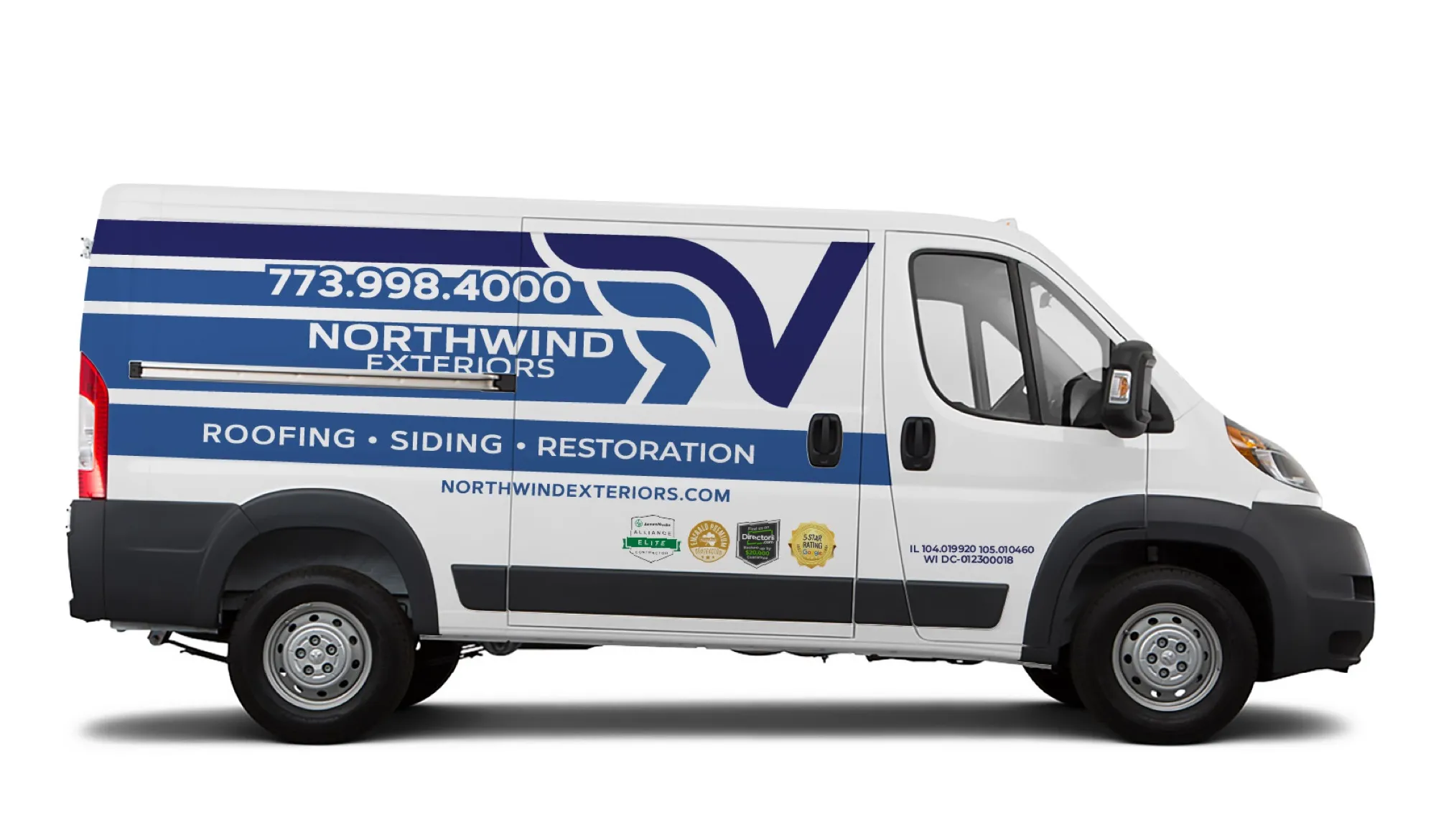
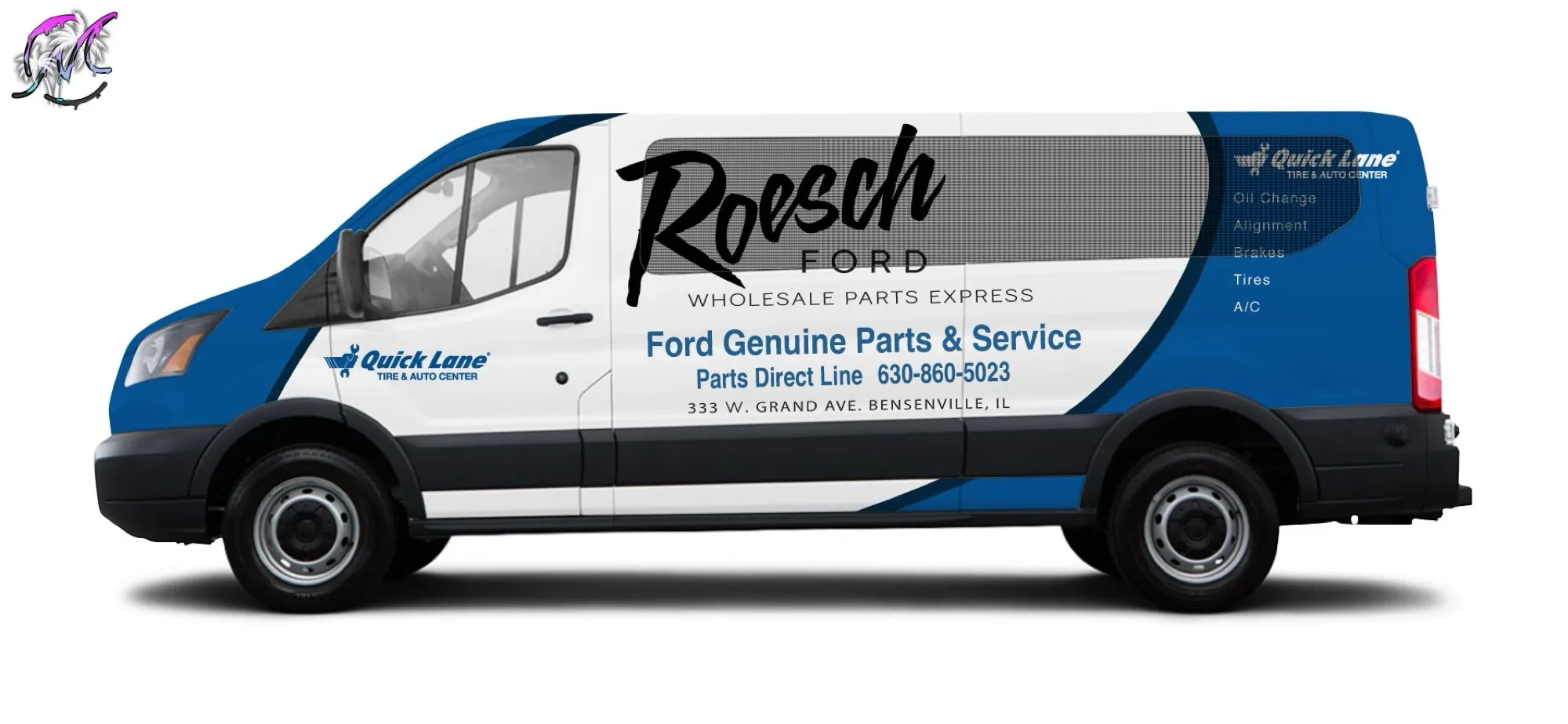
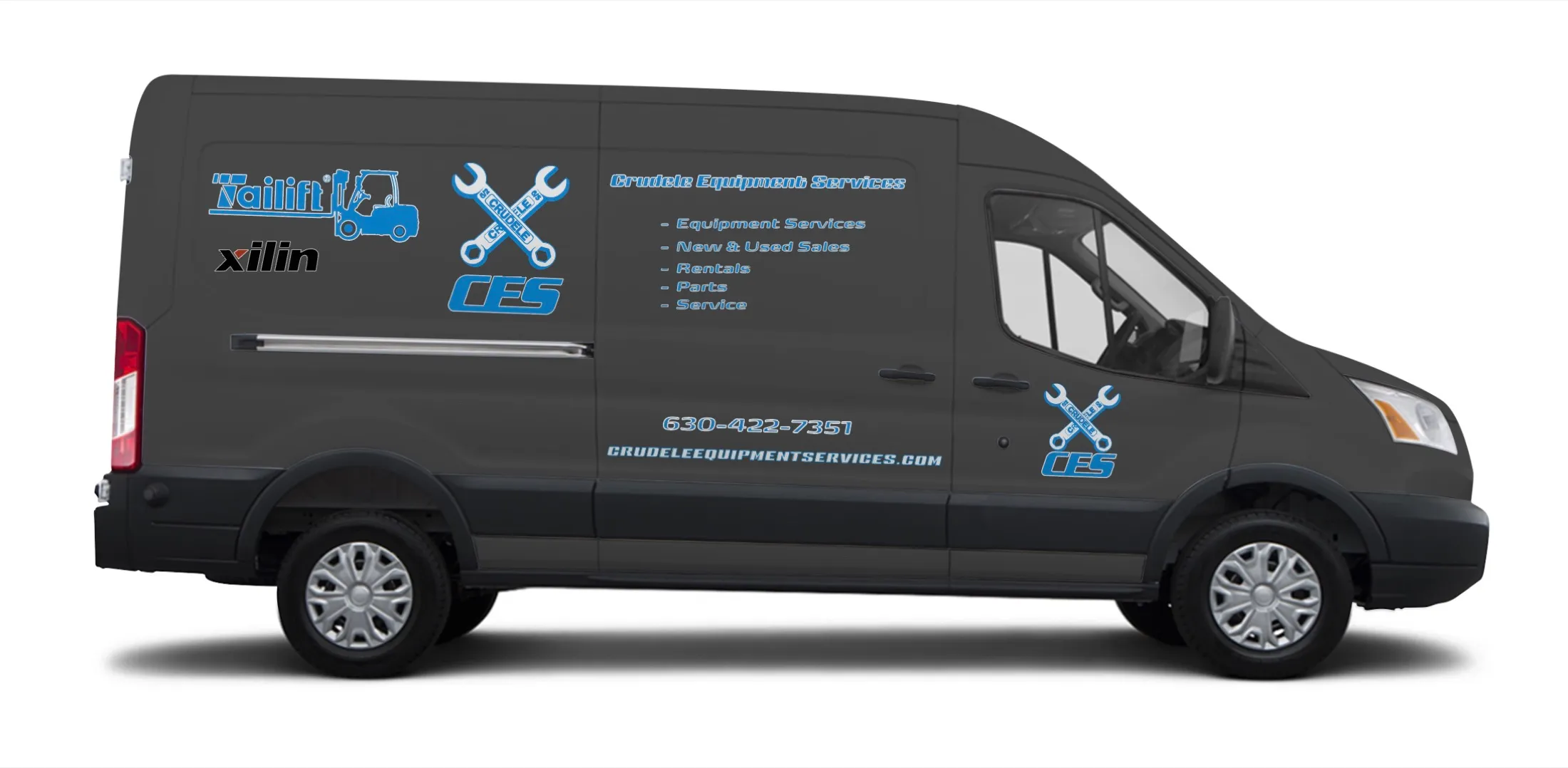
Artwork, before anyone cuts vinyl.
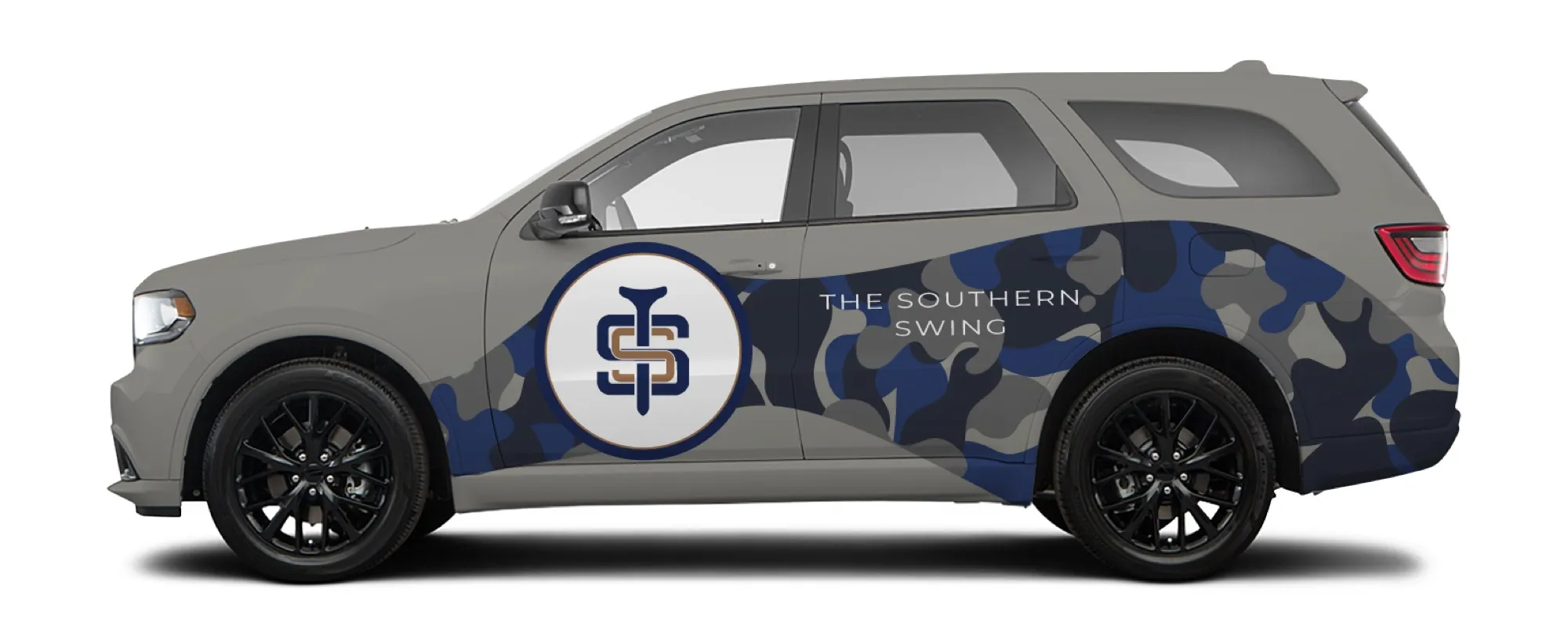
The first one is my own truck. I drew The Southern Swing’s identity and then put it on the Durango — same monogram, same navy, drawn from the same file. That is the shortest version of everything above.
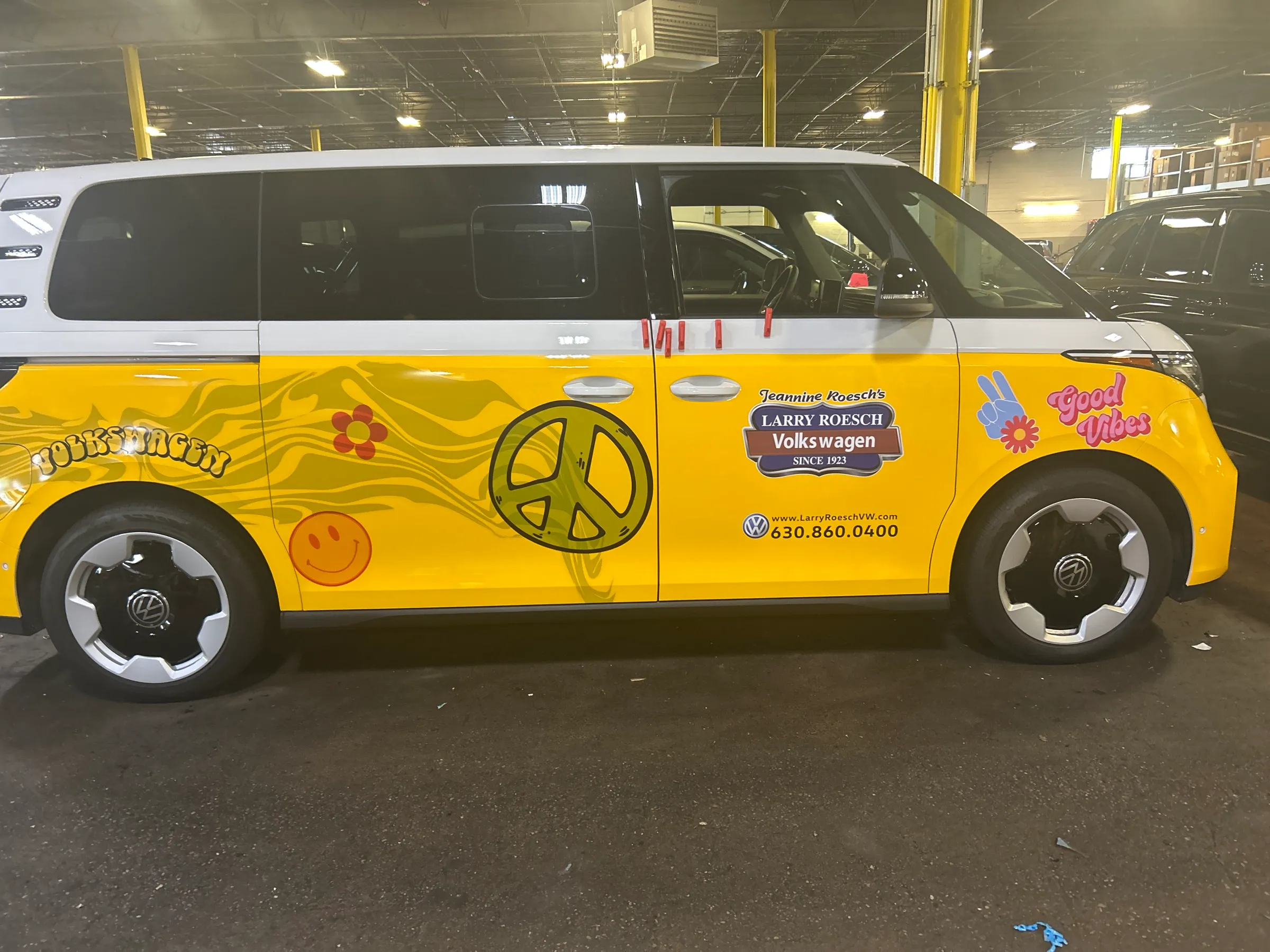
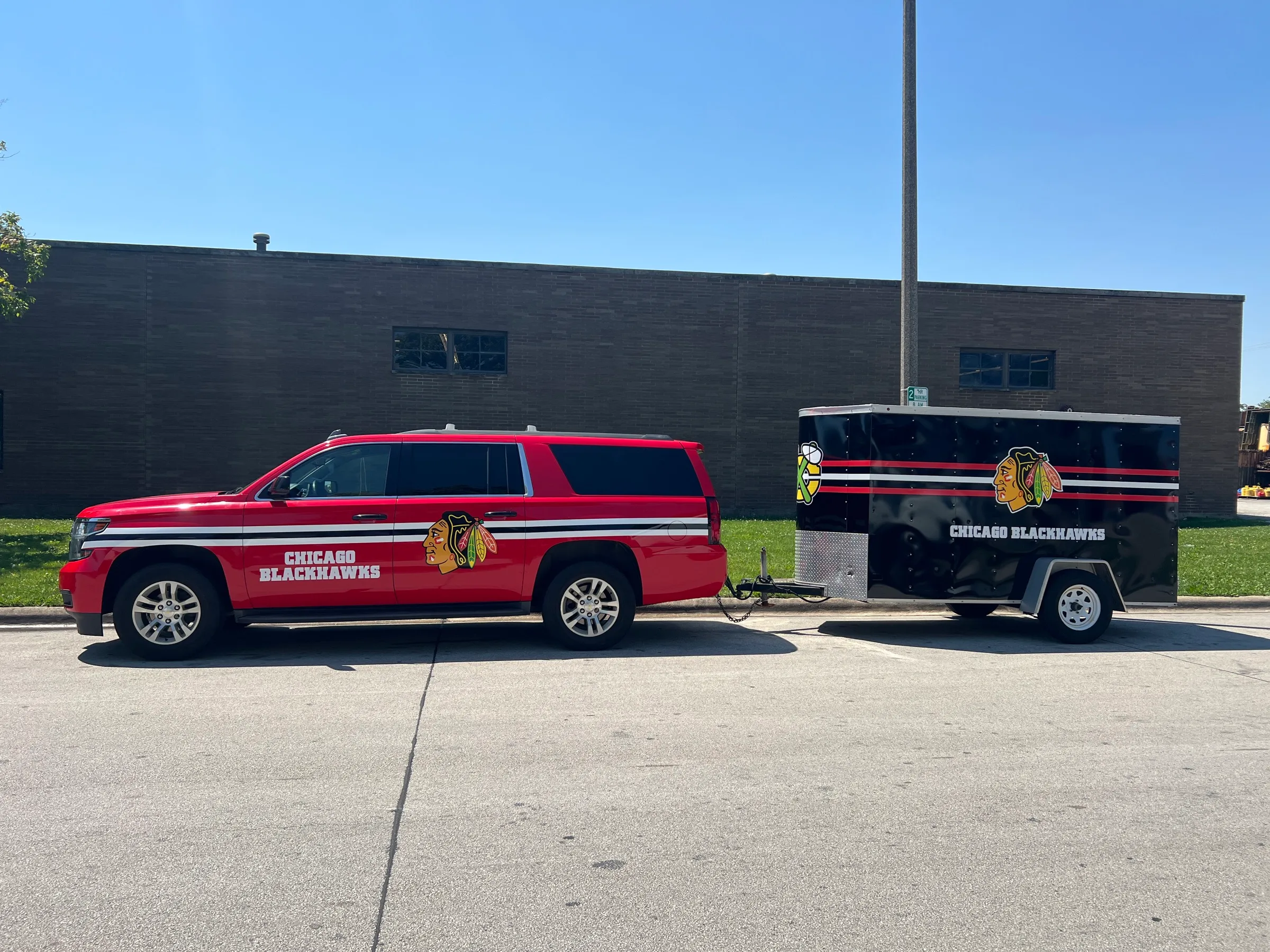
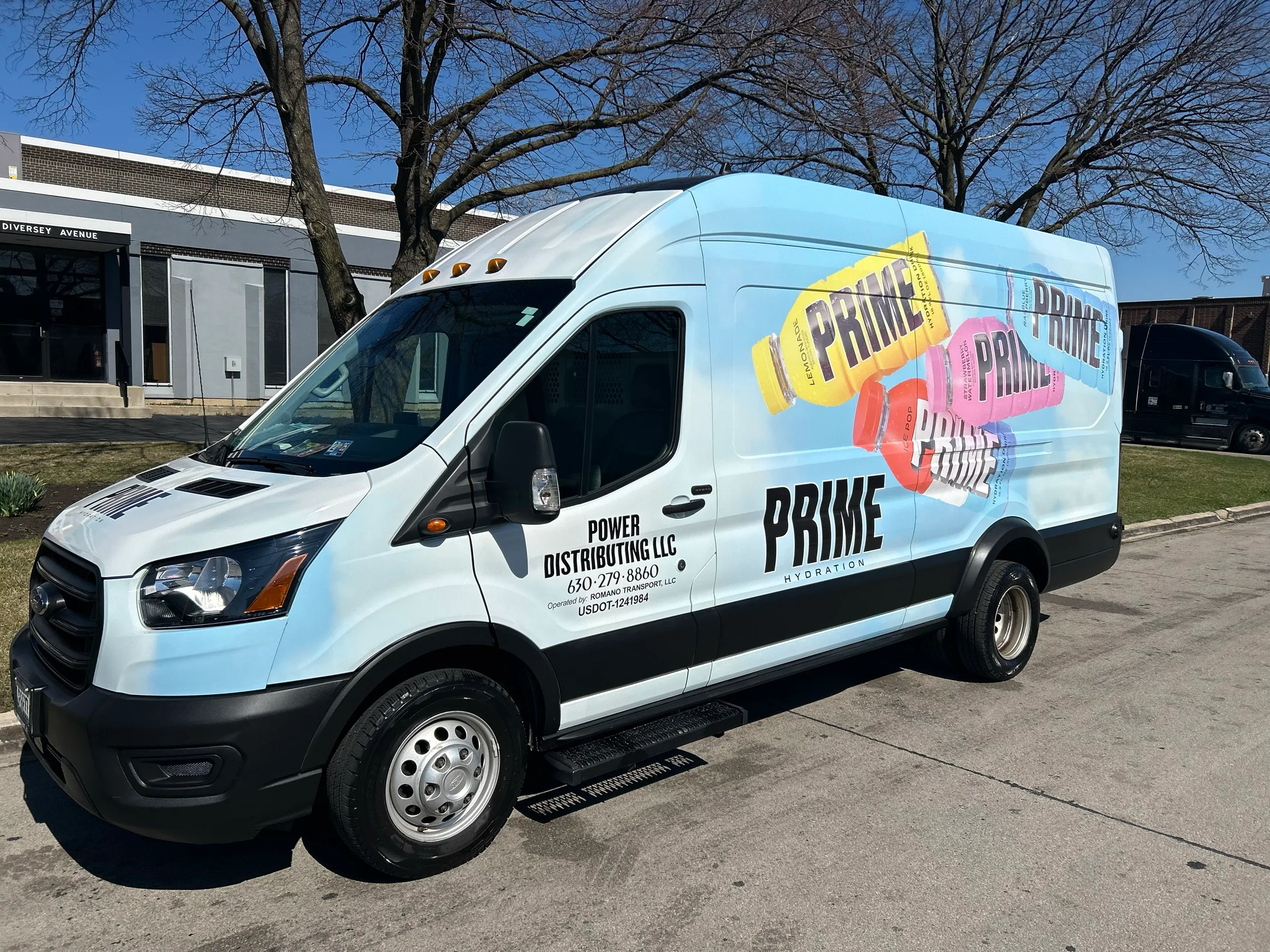
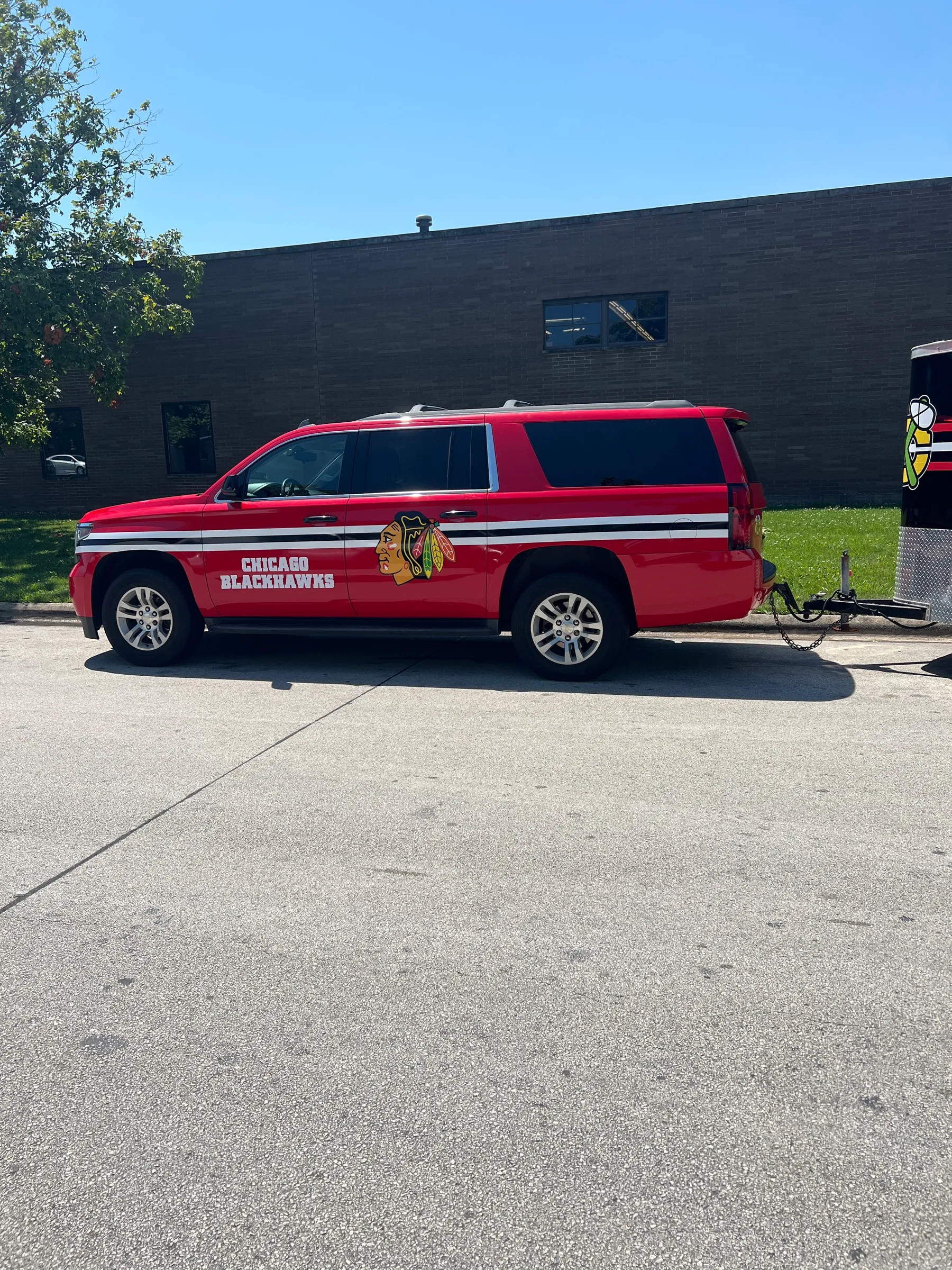
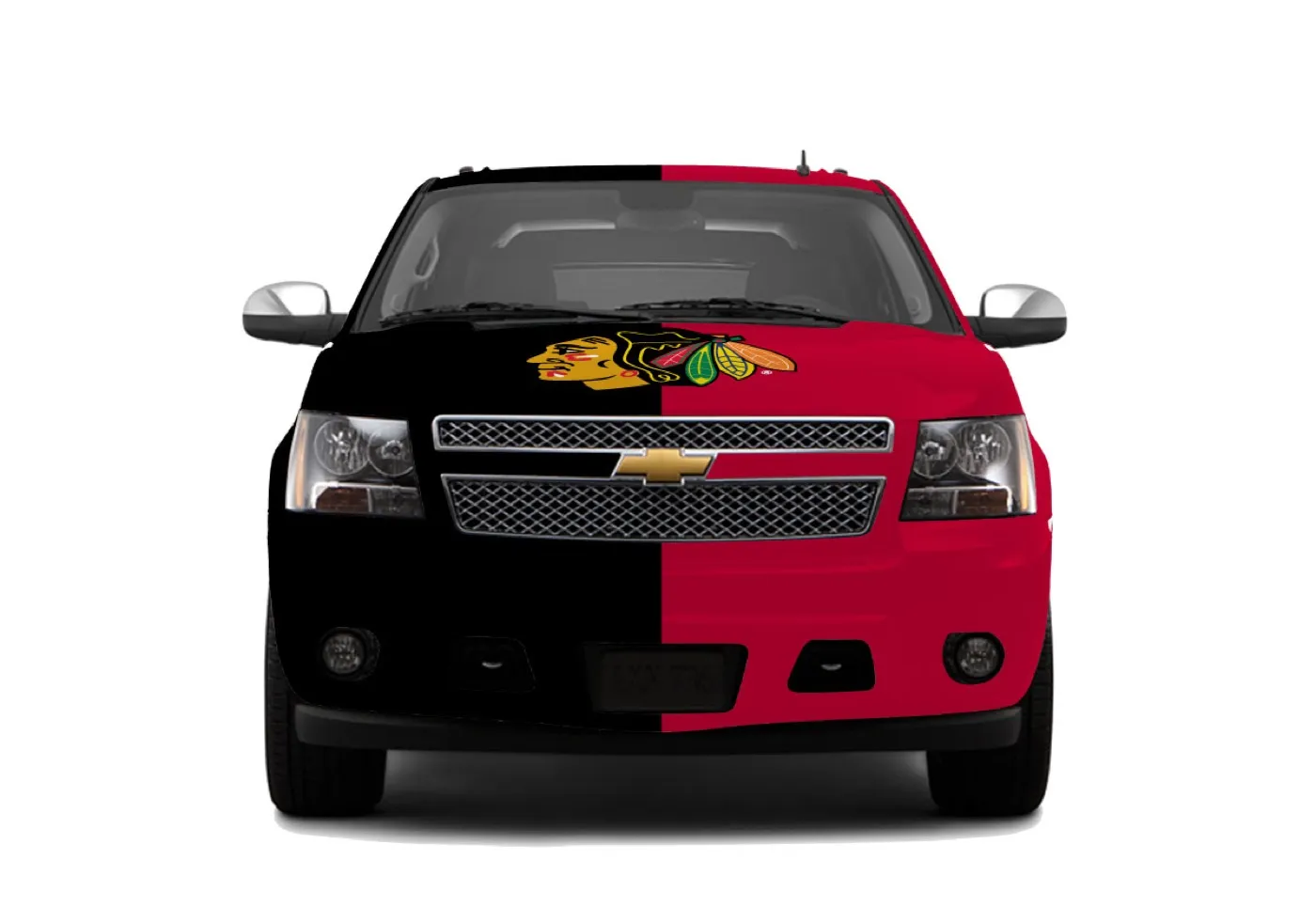
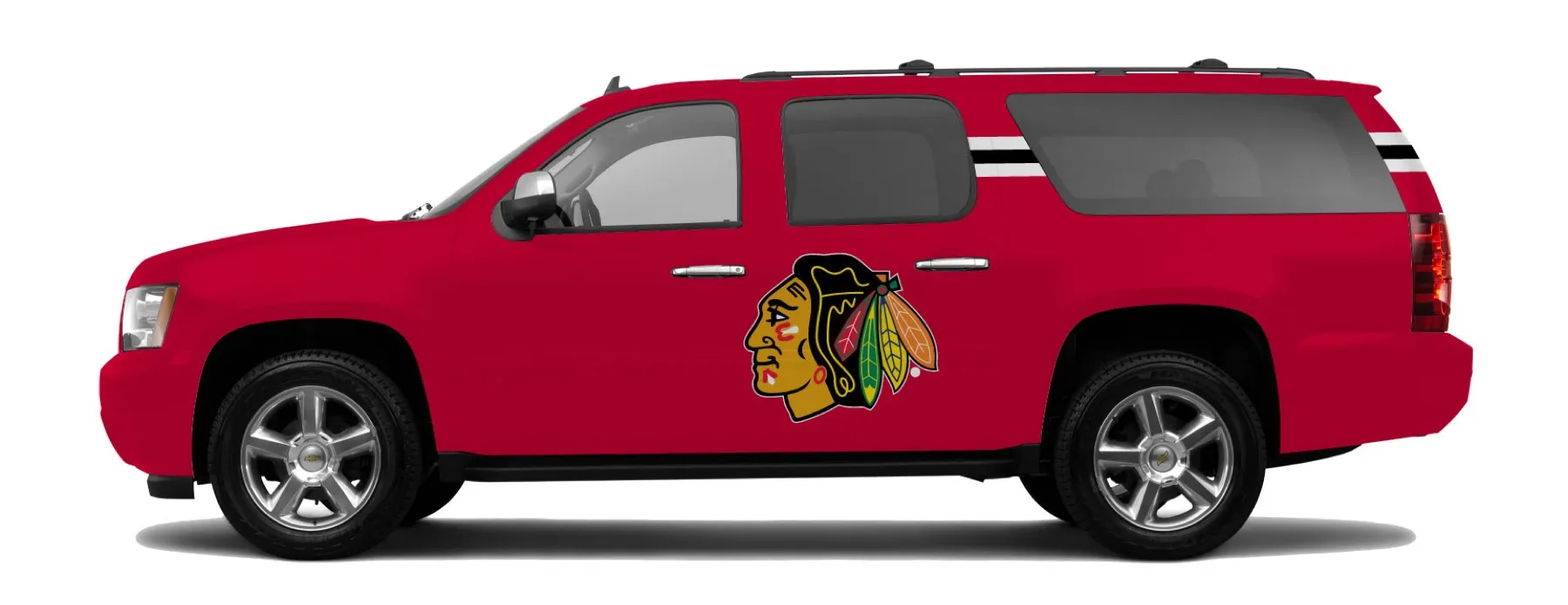
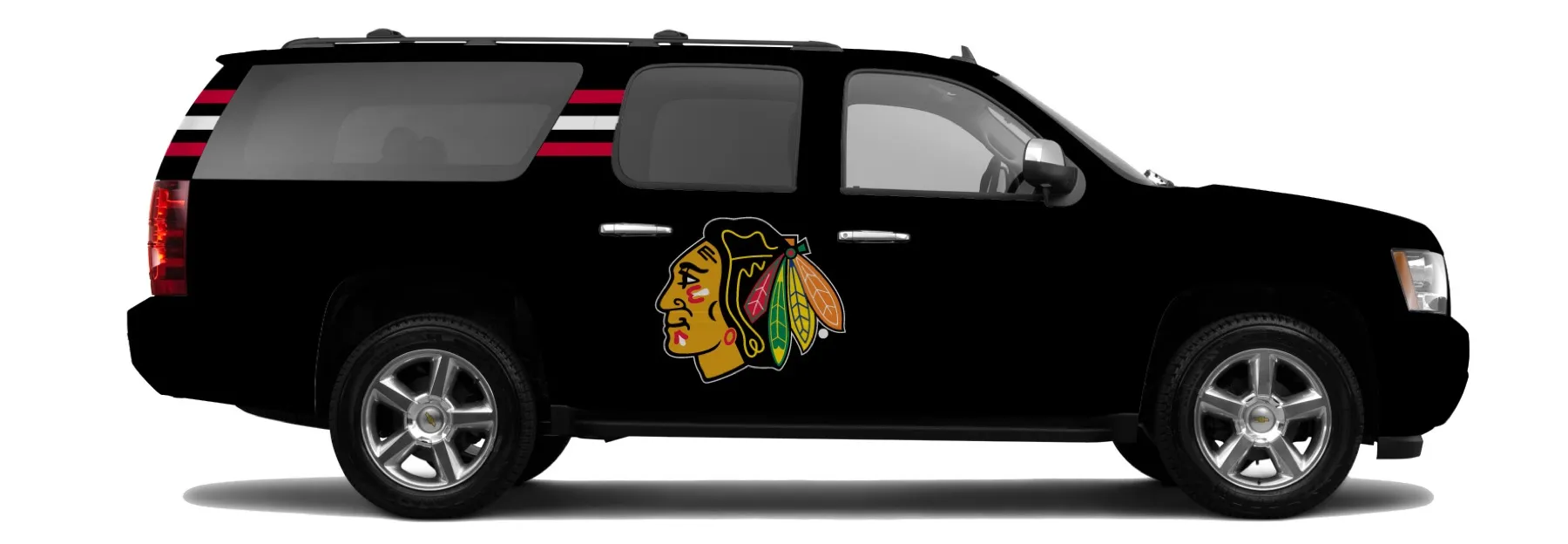
Most of the rest were built as drawn. The Blackhawks one was not: it started as a single vehicle wearing both jerseys, and the client liked the idea enough to run it across two instead. That happens more often than not, and it is usually an improvement.
In motion
The same drawings, moving.
Short vertical films cut from the artwork. The first is the Durango above. The other two are samples for a plumber I made up, to show two other ways a wrap can be filmed.